
Tiruchendur Murugan Temple is often on your travel list, but planning the visit can feel confusing at first. You may struggle with timings, darshan details, or ticket booking steps. It’s frustrating when you want a peaceful experience without missing important rituals or facing long queues.
Tiruchendur Murugan Temple becomes easier to explore when you have the right guidance in one place. This blog covers timings, darshan options, booking steps, travel tips and festivals. You’ll find clear answers that help you plan smoothly and enjoy a stress-free, meaningful spiritual visit.
About Tiruchendur Murugan Temple
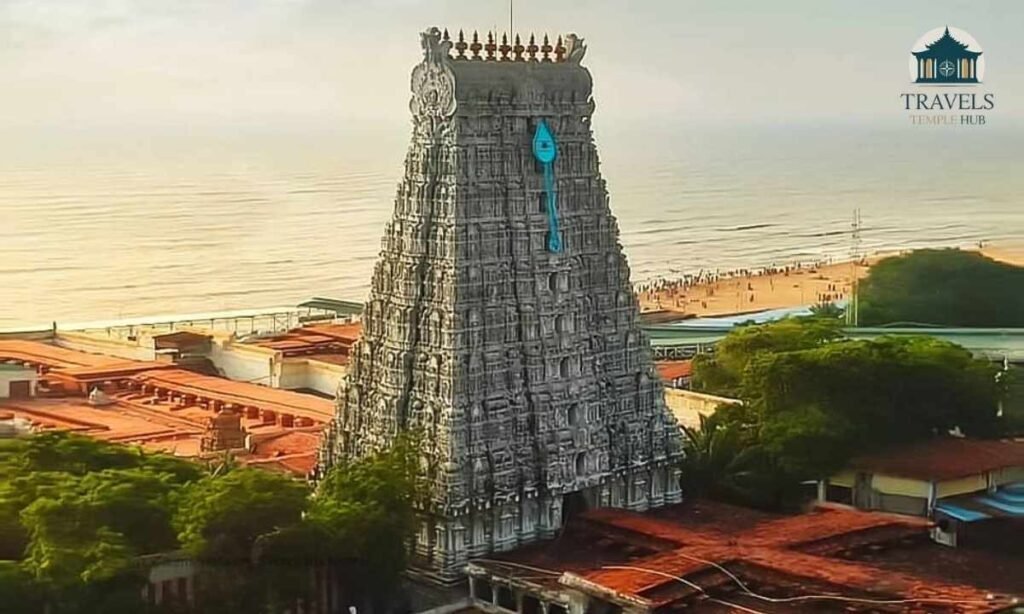
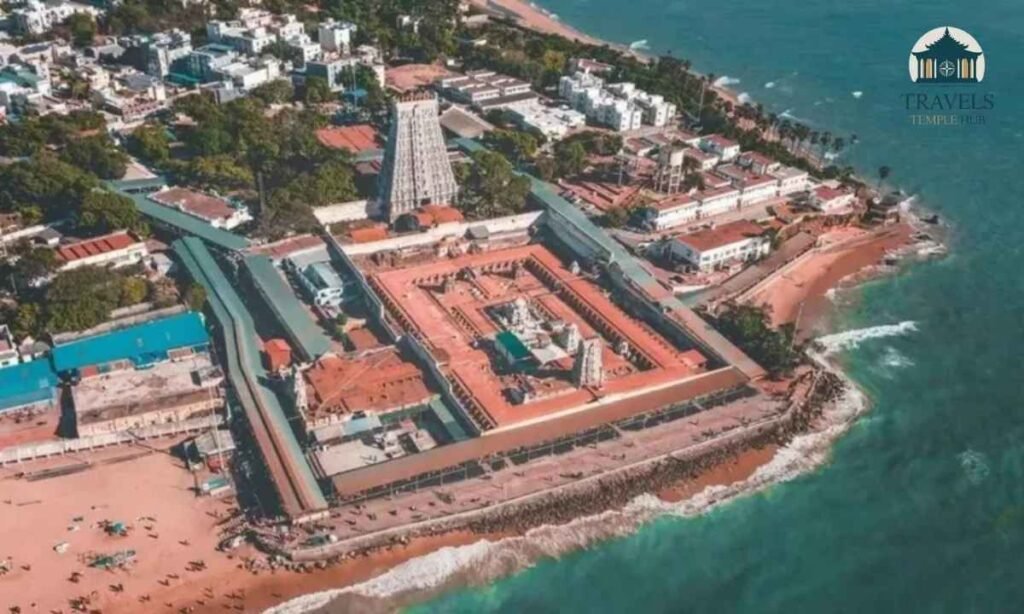
Tiruchendur Murugan Temple sits right on the shore of the Bay of Bengal, making it one of the few major Hindu temples built directly by the sea. It is one of the six sacred Arupadai Veedu shrines dedicated to Lord Murugan and is believed to be the site where he defeated the demon Surapadman.
The temple’s towering Raja Gopuram welcomes pilgrims from across South India and its centuries-old architecture reflects a deep spiritual and cultural history. Located in Thoothukudi district, Tamil Nadu, it remains one of the most visited Murugan temples in the country, drawing devotees for its rituals, festivals and the sense of peace it offers by the sea.
- More Read: Padmanabhaswamy Temple Darshan 2026
- More Read: Bet Dwarka Krishna Temple Timings
Tiruchendur Murugan Temple Timings, Darshan & Mottai Schedule
Murugan Temple follows a structured daily routine that includes early morning opening, regular darshan hours and specific mottai rituals. Visitors can attend poojas, plan darshan comfortably and participate in traditional offerings while managing crowd timings for a smooth and peaceful spiritual experience.
1. Daily Temple Timings – When Can You Visit?
The temple offers flexible visiting hours, allowing devotees to plan darshan according to their convenience.
- Morning: 4:00 AM – 12:00 PM
- Afternoon & Evening: 12:00 PM – 9:00 PM
- Final Closing: 9:00 PM – 9:05 PM
2. Darshan Timings – Plan Your Divine Visit
Devotees can schedule their visit to Tiruchendur Murugan Temple according to darshan types, ensuring a smooth and peaceful spiritual experience while avoiding crowd rush.
| Darshan Type | Timing |
| Viswaroopa Darshan | 5:30 AM – 6:15 AM |
| Morning Darshan | 6:15 AM – 12:00 PM |
| Evening Darshan | 4:00 PM – 9:00 PM |
3. Temple Mottai (Sanctum) Visiting Hours
- 5:00 AM – 8:30 PM
- This timing allows devotees to visit the sanctum during regular darshan hours, ensuring a smooth spiritual experience.
- Offers an ideal opportunity for personal prayers, rituals and peaceful reflection near the sacred sanctum.
Tiruchendur Murugan Temple Daily Pooja Schedule & Rituals
Murugan Temple follows a detailed daily pooja schedule, allowing devotees to participate in rituals at precise times. Each ceremony, from abhishekam to deeparadhana, is performed with devotion, offering spiritual blessings and a serene experience.
These rituals provide opportunities for personal prayers, meditation and experiencing the sacred traditions of Lord Murugan while planning your visit efficiently.
| Ritual Name | Approximate Time |
| Temple Opens | 5:00 AM |
| Subrabhadham Pooja | 5:00 AM – 5:10 AM |
| Viswaroopa Darshan | 5:30 AM |
| Dwajasthamba Namaskaram | 5:45 AM |
| Udaya Marthanda Abishekam | 6:15 AM |
| Deeparadhana | 7:00 AM |
| Kalasandhi Pooja | 8:00 AM – 8:30 AM |
| Uchikkala Pooja | 10:00 AM – 12:00 PM |
| Sayaraksha Pooja | 5:00 PM |
| Arthajama Pooja | 7:15 PM |
| Palliarai Pooja | 8:45 PM |
| Temple Closes | 9:00 PM |
Tiruchendur Murugan Temple Darshan Options: Free & Paid Entry Guide
The Temple offers flexible darshan options for devotees, including free darshan for general visitors and paid VIP darshan for faster entry, special sevas and exclusive viewing. These options help manage crowds and provide a smooth, spiritually fulfilling experience for all pilgrims.
Free Darshan
The Free Darshan at Murugan Temple allows devotees to have a traditional, spiritual visit without any charges. It follows regular timings, offers peaceful darshan and provides an opportunity to participate in daily rituals, prayers and personal devotion near the sanctum of Lord Murugan.
Paid Darshan Options
Murugan Temple provides several paid darshan options for devotees seeking quicker entry, special rituals, or VIP experiences. These options allow smoother access, priority viewing and participation in exclusive sevas for a more fulfilling spiritual visit.
| Darshan Type | Price (Approx.) |
| Free Darshan | ₹0 |
| Mukha Darshan / Quick Entry | ₹20 |
| Special Darshan | ₹100 |
| Quick / Speed Darshan | ₹250 |
| Golden Car Seva | ₹2,500 |
| Abishekam (Special Ritual) | ₹1,500 |
| Shanmugar Archanai | ₹5,000 |
Tiruchendur Murugan Temple Online Ticket Booking Guide
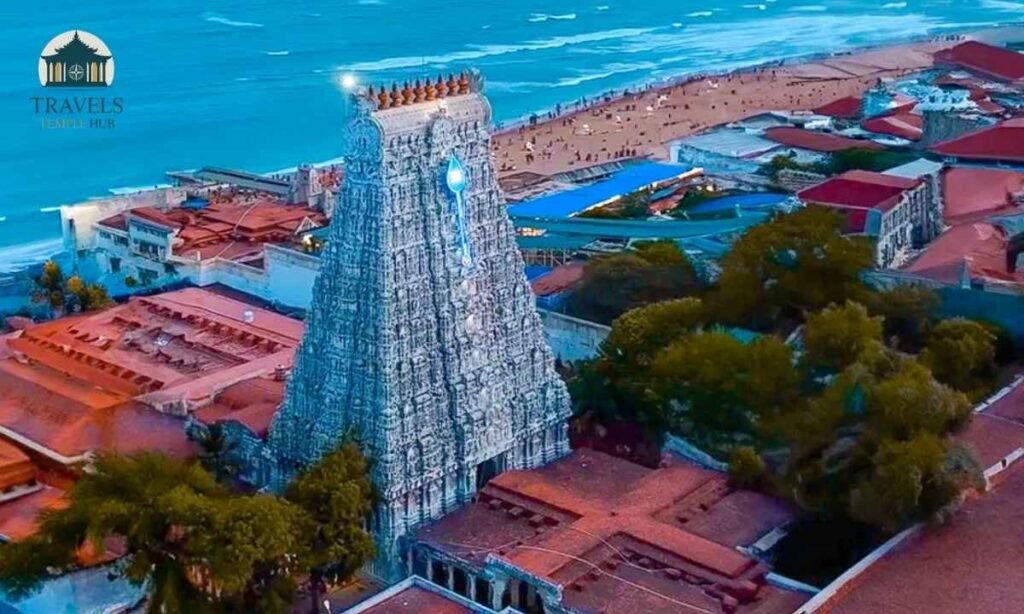
Devotees can conveniently book Tiruchendur Murugan Temple tickets online to secure darshan slots, select special sevas and avoid long queues. The official portal provides step-by-step guidance, ensuring a smooth, hassle-free process and a well-planned spiritual visit for all pilgrims.
Step-by-Step Guide to Book Tiruchendur Temple Tickets Online
Booking Tiruchendur Murugan Temple tickets online is simple and ensures a smooth, hassle-free darshan experience. Follow these steps to secure your visit efficiently:
- Visit the Official Portal
Go to the Tiruchendur Murugan Temple page on the Tamil Nadu HR & CE Department website. - Navigate to Darshan/Pooja Booking
Click on the “Darshan / Pooja Booking” section to view available options. - Select Your Darshan Type
Choose from options such as:
- Free Darshan
- Special Darshan
- Abishekam / Ritual Booking
- Golden Car Seva / Shanmugar Archanai
- Pick Your Preferred Date
Select the date of your visit. Booking 4–30 days in advance is recommended, especially during festivals or weekends. - Enter Number of Devotees
Specify how many people will attend darshan or participate in sevas. - Provide Personal Details
Enter names, age and contact information for each devotee. - Make Payment Online
Pay securely using UPI, debit/credit card, or net banking. - Receive Confirmation
After successful payment, an e-ticket or booking confirmation will be generated. - Save Confirmation & Carry ID
Download or print the booking confirmation and carry the same photo ID used during online registration for temple entry.
Tips for a Smooth & Hassle-Free Visit
- Book Online in Advance: Secure your darshan or special sevas ahead of time, especially during festivals, to avoid long queues.
- Arrive Early: Reaching before peak hours ensures a calm and peaceful visit.
- Follow Dress Code: Wear modest clothing suitable for temple customs.
- Carry Essentials: Bring water, ID and booking confirmation for convenience.
- Plan Your Route: Check transportation options like trains, buses, or taxis for a timely arrival.
Practical Information for Visitors
- Prasadam: Free prasadam is typically distributed to devotees after darshan; timing may vary by day.
- Luggage: It’s best to avoid carrying large bags or valuables inside the temple, as locker facilities may be limited check at the entrance counter on arrival.
- Elderly & Accessibility: Devotees with elderly family members or limited mobility should inform temple staff at the entry point, as some queues can involve standing for extended periods.
- Mobile Phones & Cameras: Photography inside the sanctum is generally restricted check posted signage before taking photos.
Dress Code at Tiruchendur Murugan Temple
The temple follows a strict traditional dress code and visitors will not be allowed entry if it isn’t followed. For men, the dress code is shirt and trouser, dhoti, or pyjamas with an upper cloth and shirts must be removed before entering the inner sanctum (Mottai). Women are expected to wear traditional attire such as sarees, half-sarees, or churidhars with an upper cloth. Shorts, mini-skirts, sleeveless tops, low-waist jeans and short-length T-shirts are not allowed and these rules apply to foreign visitors as well.
Best Time to Visit Tiruchendur Murugan Temple
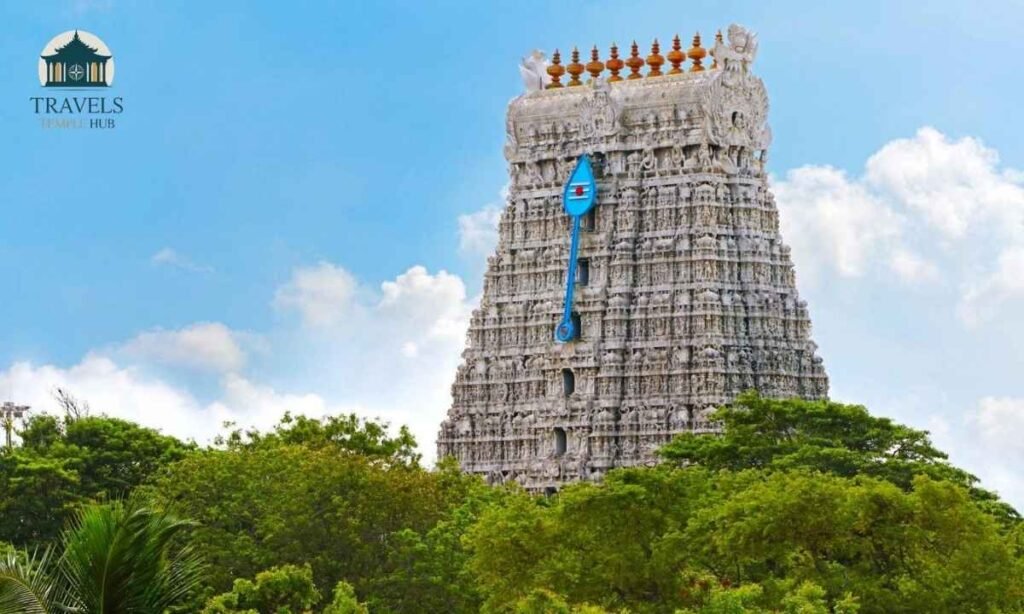
The best time to visit Tiruchendur Murugan Temple is during cooler months from November to February and during major festivals like Kanda Sashti, Panguni Uthiram and Vaikasi Visakam. Visiting then ensures pleasant weather, vibrant celebrations and a spiritually fulfilling experience for devotees.
1. Festival Seasons – Experience Divine Celebrations
Murugan Temple comes alive during festival seasons, offering devotees vibrant rituals, processions and devotional activities. Festivals like Kanda Sashti, Panguni Uthiram and Vaikasi Visakam attract large crowds, making it a spiritually enriching and culturally immersive experience.
- Kanda Sashti (2026): The main 6-day festival begins November 10, 2026, with Surasamharam (Lord Murugan’s victory over Surapadman) on November 15, 2026, the biggest celebration of the year at this temple.
- Panguni Uthiram (2026): Falls on April 1, 2026, marking the divine wedding of Lord Murugan and Deivanai.
- Vaikasi Visakam (2026): Celebrates Lord Murugan’s birthday; check closer to the date for the exact 2026 date, as it follows the Tamil lunar calendar.
2. Weather Considerations – Visit Comfortably
- Enjoy comfortable weather for exploring the temple and nearby areas.
- Take peaceful walks along the Bay of Bengal, which adds a serene experience to your visit.
- Perfect for longer stays, allowing you to attend multiple poojas and darshan sessions without weather-related discomfort.
3. Quick Tips for Timing Your Visit
- Plan your visit early in the morning to avoid crowds and enjoy a peaceful darshan.
- Check the temple darshan and pooja schedule in advance to align your visit.
- Avoid weekends and festival peak hours for a smoother experience.
- Allocate extra time for special sevas or rituals if you wish to participate.
How to Reach Tiruchendur Murugan Temple
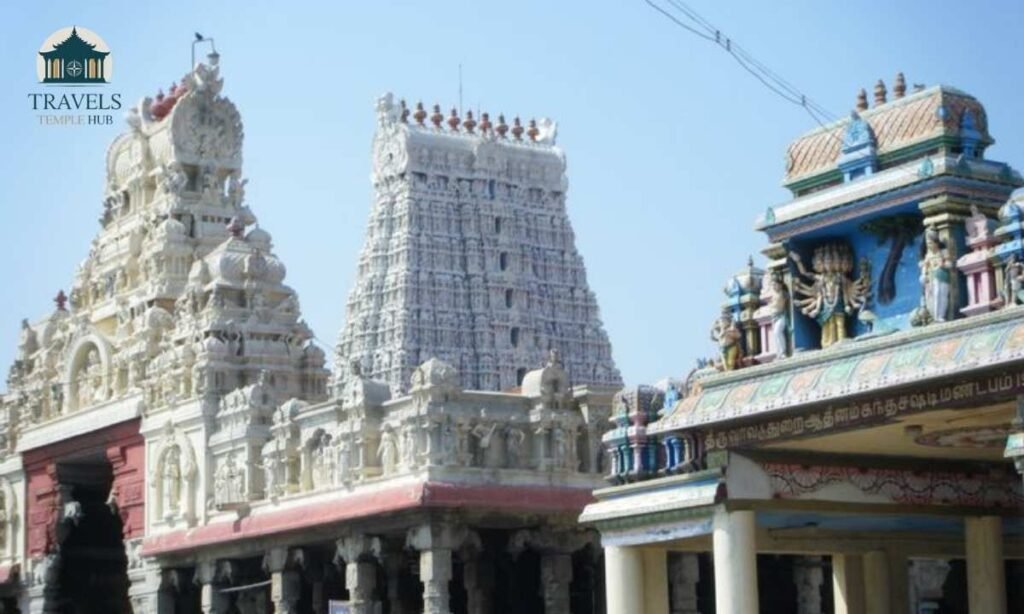
The Temple is easily accessible via air, train and road. Visitors can plan their journey according to convenience, ensuring timely arrival for darshan and poojas.
By Air
The nearest airport is Tuticorin Airport, approximately 45 km from the temple. From there, travelers can hire taxis, cabs, or local buses. This option is ideal for those coming from distant cities, providing a quick and comfortable route to reach Tiruchendur efficiently.
By Train
Tiruchendur has its own railway station, well-connected with major cities in Tamil Nadu. Trains from Chennai, Madurai and Tirunelveli are convenient for pilgrims. From the station, local transport options like auto-rickshaws and taxis are available to reach the temple within minutes.
By Road
Tiruchendur is well-connected via national and state highways. Regular buses, taxis and private vehicles can reach the temple from nearby cities like Thoothukudi and Madurai. Road travel offers flexibility in timing and allows travelers to explore scenic routes along the Bay of Bengal.
Nearby Attractions to Explore
Tiruchendur Murugan Temple is surrounded by fascinating attractions, offering cultural, historical and scenic experiences. Devotees and tourists can explore nearby temples, forts and beaches, making their visit more enriching and memorable while enjoying South India’s spiritual and natural beauty.
- Valli Cave Temple: Ancient shrine linked to Lord Murugan’s legends.
- Panchalankurichi Fort: Historic fort with cultural significance and scenic views.
- Tiruchendur Beach: Serene coastal area ideal for walks and relaxation.
- Nazhikkinaru Spring: Sacred water source with spiritual importance.
- Nearby Thoothukudi Sites: Explore local markets, temples and cultural landmarks.
Accommodation Near Tiruchendur Murugan Temple
Tiruchendur offers a range of stay options close to the temple and beach, from budget lodges to mid-range resorts. Popular choices include Thai Beach Resort and Pearl Garden Resort, both known for their proximity to the coast and Hotel Chitra Park and Anandha Grand for travelers looking to stay closer to the town center. Most properties are within a short auto-rickshaw ride of the temple.
History and Spiritual Significance of Tiruchendur Murugan Temple
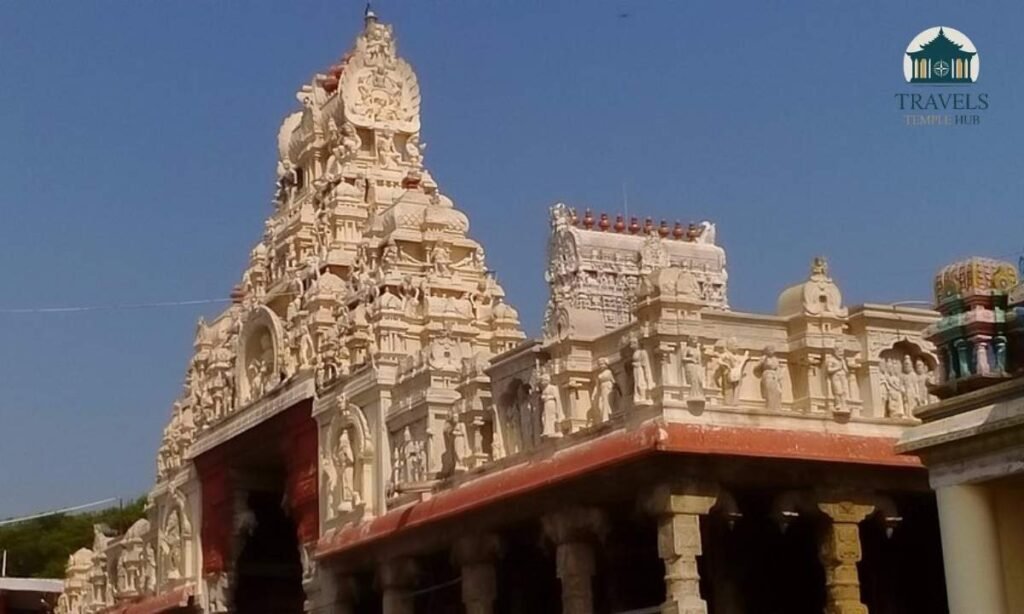
Murugan Temple is an ancient shrine with deep spiritual significance, dedicated to Lord Murugan. Its rich history includes legendary tales of divine victories, architectural marvels and sacred rituals, making it a revered pilgrimage site and a center of devotion in South India.
Ancient Origins
The Temple traces its roots back centuries, with legends linking it to Lord Murugan’s battle against the demon Surapadman. The temple’s ancient origins reflect a rich spiritual heritage, blending mythology, devotion and sacred geography along the scenic Bay of Bengal coastline.
Its construction showcases early South Indian temple architecture, with intricate carvings, towering gopurams and sanctum designs that have withstood time. Pilgrims visiting the temple today connect with centuries of faith, experiencing the divine energy and historical significance preserved in its ancient walls and rituals.
Legendary Tales
The Temple is steeped in legendary tales of Lord Murugan defeating the demon Surapadman, symbolizing the triumph of good over evil. These stories inspire devotion and faith, making the temple a powerful spiritual destination for pilgrims seeking blessings and guidance.
The temple also celebrates legends associated with Goddess Valli and Deivanai, highlighting Murugan’s divine relationships. Festivals, rituals and daily poojas commemorate these stories, allowing devotees to experience living traditions and connect deeply with the mythological heritage preserved within the sacred temple grounds.
Architectural Marvel
- Raja Gopuram: The towering entrance gate is intricately carved, showcasing traditional South Indian temple architecture and welcoming devotees with grandeur.
- Sanctum and Mandapams: The inner sanctum and pillared halls reflect precise craftsmanship, blending sacred design with structural elegance.
- Coastal Setting: Built near the Bay of Bengal, the temple’s location enhances its visual appeal and spiritual ambiance.
Sacred Features
- Nazhikkinaru Spring: A holy water source believed to purify devotees before darshan.
- Golden Car (Ther) Seva: A chariot used during special festivals for ceremonial processions.
- Sanctum (Mottai): The innermost shrine housing Lord Murugan’s idol, radiating divine energy for worshippers.
Frequently Asked Questions
What are Tiruchendur Murugan Temple timings today?
Temple opens early morning and closes at night. Timings may change during festivals and special pooja days.
How can I book Tiruchendur Murugan Temple tickets online?
Visit the official HR & CE website, select darshan type, choose date and complete secure online payment easily.
Is free darshan available at Tiruchendur Murugan Temple?
Yes, free darshan is available for devotees, but waiting time may increase during weekends, holidays and festival periods.
What is the best time to visit Tiruchendur Murugan Temple?
Early mornings or weekdays are ideal for peaceful visits, while festivals offer vibrant rituals, celebrations and spiritual experiences.
How much is the ticket price for special darshan?
Ticket prices vary based on darshan type, starting from low-cost options to higher-priced tickets for special rituals and services.
How do I reach Tiruchendur Murugan Temple easily?
Travel by train, road, or nearest airport, then use local transport like taxis or autos to reach temple conveniently.
Are there dress code rules for the temple?
Visitors should wear modest, traditional attire. Avoid sleeveless clothes, shorts, or inappropriate outfits to maintain respect inside temple premises.
Can I attend pooja rituals at Tiruchendur Murugan Temple?
Yes, devotees can attend daily poojas and rituals. Booking in advance helps secure participation and avoid missing important ceremonies.
Conclusion
Tiruchendur Murugan Temple offers a peaceful and spiritually rich experience for every visitor, set against the beautiful backdrop of the Bay of Bengal. Whether you choose free darshan or a paid seva, planning ahead using the timings and pooja schedule above will help you avoid long queues and make the most of your visit.
Booking your tickets online in advance is the easiest way to secure your preferred darshan slot, especially during festival season. With the right preparation, your trip to this ancient shrine can be smooth, meaningful and memorable.